
Tåotao Tritons | Cracking the Coding: Elaine D. Cortez and the Game-Changing Field of Computer Science
Tåotao Tritons | Cracking the Coding: Elaine D. Cortez and the Game-Changing Field of Computer Science
Tåotao Tritons | Cracking the Coding: Elaine D. Cortez and the Game-Changing Field of Computer Science
11/20/2026
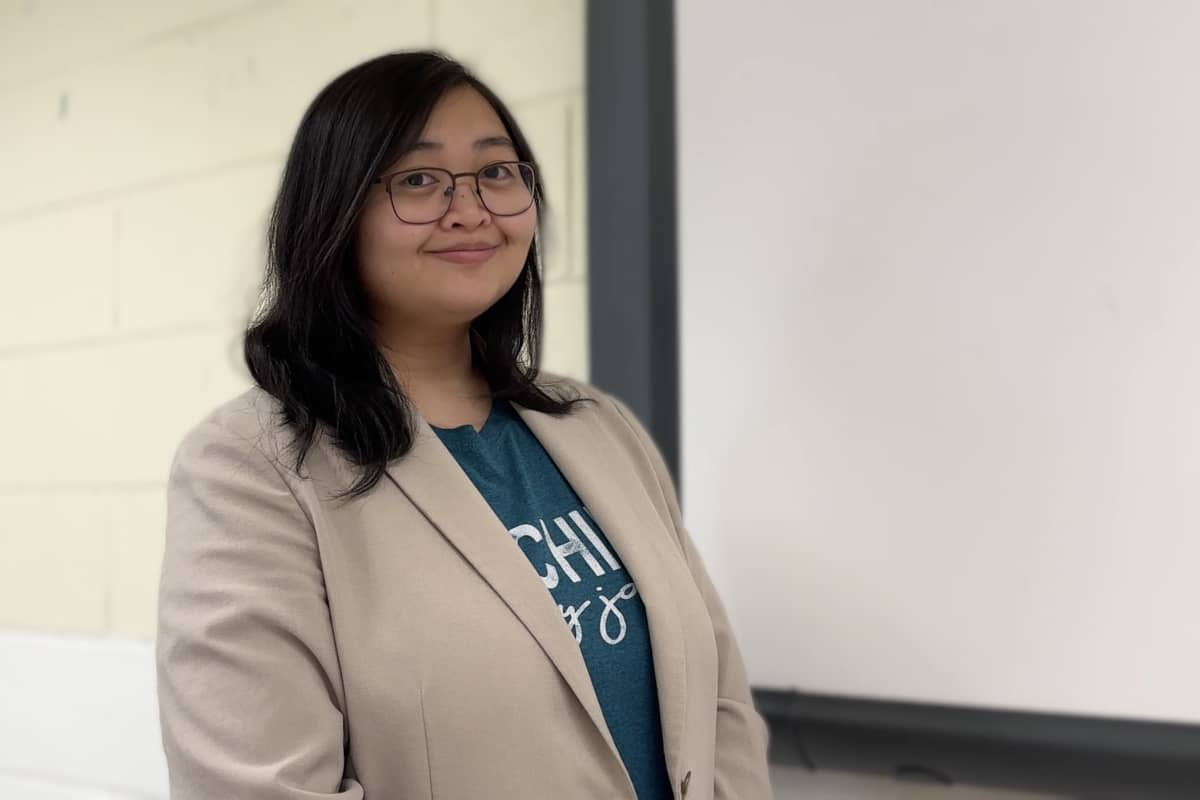


While most people channel their imagination through paintbrushes, pens, microphones, musical instruments, or dance shoes, Elaine D. Cortez flexes her creative muscles using a computer screen. The UOG ’13 alumna and adjunct instructor with the Computer Science program has a long history of customizing online spaces and creating applications, and she is sharing those skills in the classroom to encourage students of all ages to discover the possibilities of computer programming.
Game Start
Cortez initially had no plans to pursue a career in Computer Science. As an undergraduate, she was a Mathematics major, but after taking CS201, a required programming course, she realized just how much she enjoyed the discipline.
“I just love the way you could do things with the computer, and the results you get from it. I wanted to learn how to create my own apps, create my own games,” she shares.
Because of time constraints, Cortez was only able to minor in Computer Science, but she was later able to earn a Master of Science in Computer Science from the Georgia Institute of Technology’s online graduate program.
Her interest in technology, however, began well before college. In elementary school, she was drawn to web design after seeing how different users on the free online browser game Neopets constructed their guild pages. She continued to experiment with design through popular social networking platforms of the time, MySpace and Xanga.
Cortez also taught herself website code, such as HTML, CSS, and JavaScript, through online tutorials. The process wasn’t easy, but it helped Cortez build persistence.
“It was a lot of trial and error, especially at that young age, not knowing what I was doing,” she laughs. “But the payoff was there. It made me more resilient in learning things, because I knew that if I put enough time into something, I could definitely do it.”
New Abilities Unlocked
When Cortez began her formal education in Computer Science, she was able to hone her coding skills further. Her class projects included developing a Pusoy Dos card game for one of her UOG courses and collaborating with peers in her Master’s degree program to create a 3D, escape-room-style puzzle game.
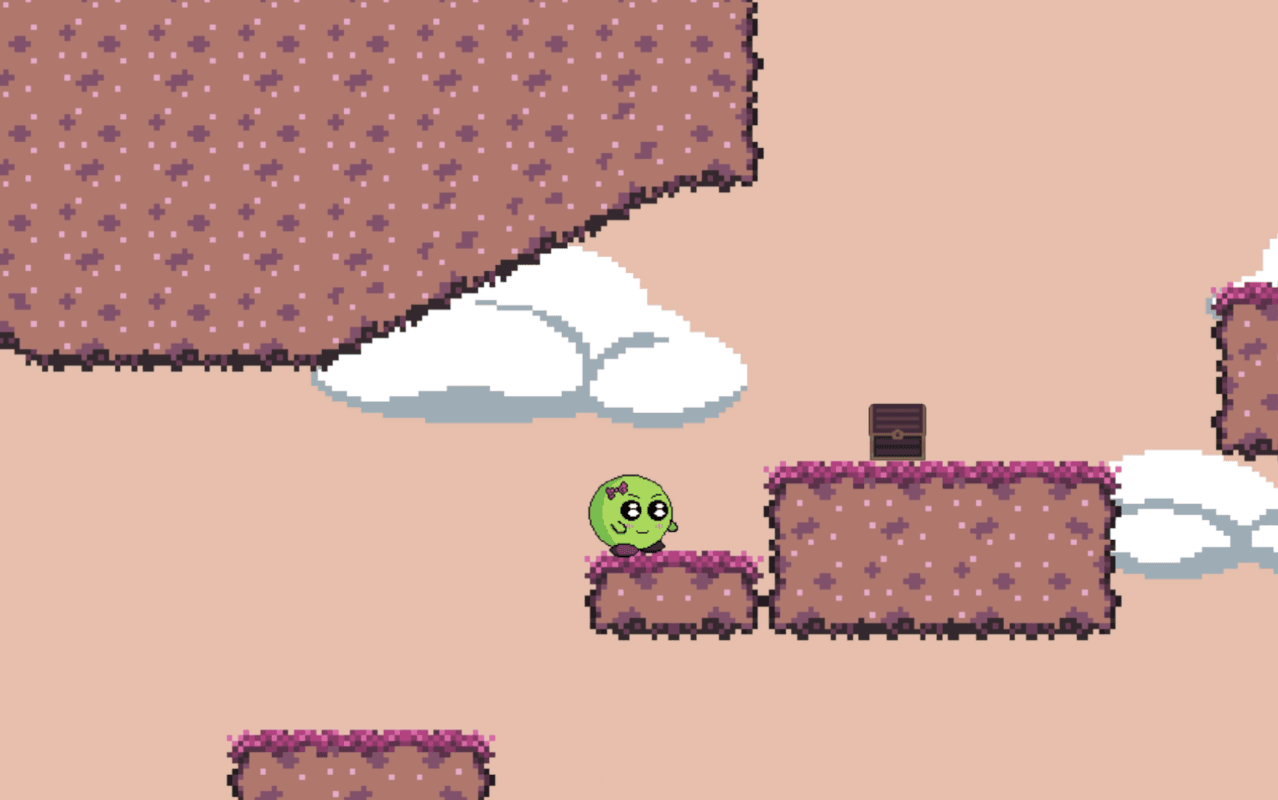
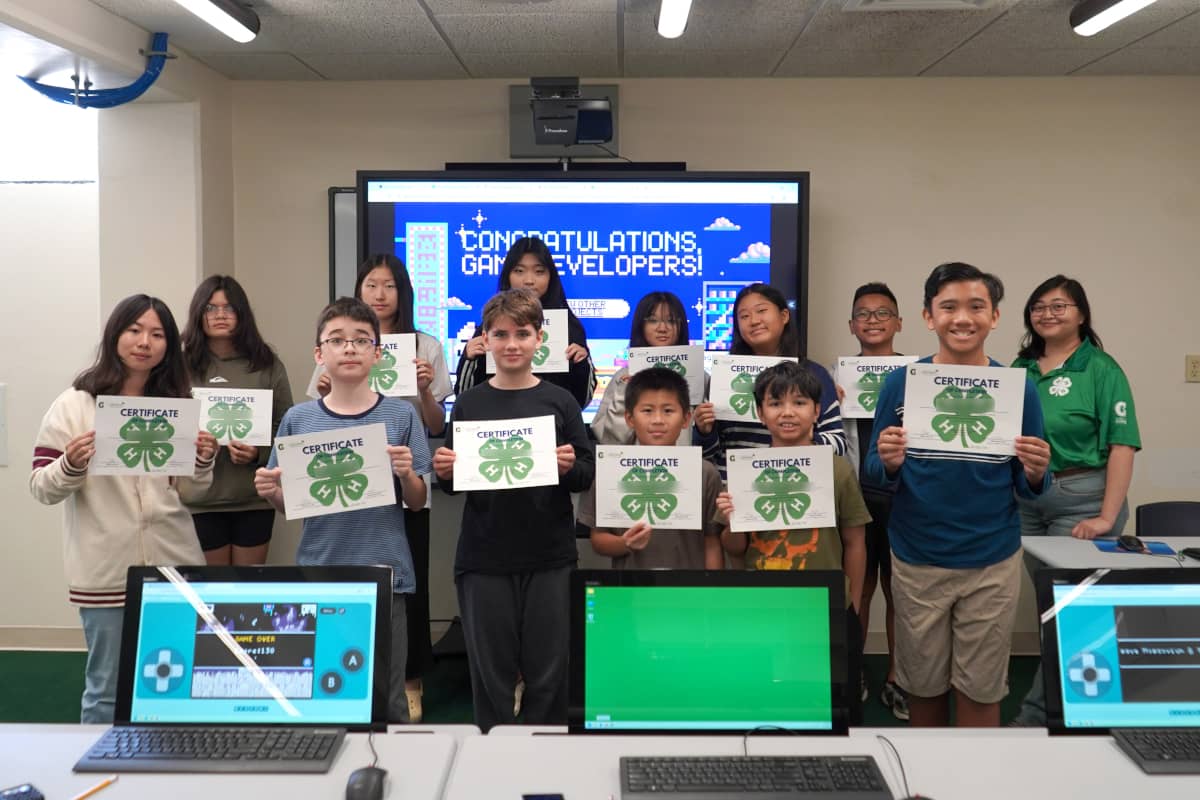
Today, she brings that same creativity into her own classroom. Along with several programming courses at UOG, Cortez teaches Computer Science at a GDOE high school, where she uses game development to make programming more engaging and accessible. She takes a similar approach with the younger learners that enroll in her 4-H workshops, as students use block-based coding applications to create their own games, complete with characters, maps, and puzzles. Rather than simply learning programming concepts, they get to see those concepts come to life through their own creations.
That hands-on component helps ease students into a subject that can initially seem intimidating, particularly because of the math that is involved, but Cortez uses game design to show them that programming can also be an outlet for creative elements like art and music. As students become more comfortable experimenting with code, they begin to recognize what they can accomplish.
“Seeing that spark in their eyes, that 'Wow, I didn't know I could actually do this,' kind of erases those challenges,” she says.
Power-Ups for All
For Cortez, Computer Science offers opportunities to apply technology in nearly any field. A fashion designer could develop an application to showcase their clothing, or an athlete could use programming to track their progress and improve their performance.
“Even if you don't plan on being a software engineer or a programmer, any interest you have, you can use what you've learned with Computer Science,” Cortez says.
She also believes Computer Science education remains essential, even as artificial intelligence changes the way people work. While AI can easily generate code, Cortez points out that people are still needed to assess results, identify errors, and troubleshoot issues.
“AI can do a job, but who's going to give the instructions to the AI?” Cortez poses. For her, AI is a tool rather than a replacement for human intelligence.
The Next Level
Beyond teaching, Cortez stays busy with her own personal projects. She collaborates with educators on professional development and pursues research, recently completing a project with a professor from the University of Florida on designing and implementing a data science curriculum that is culturally relevant to students in Micronesia. Currently, she is working on a video game she hopes to release for people to download and play.
When it comes to her responsibilities as an educator, issues such as limited classroom resources can be challenging, but she is driven to keep teaching, motivated by watching students accomplish tasks they once thought were beyond their abilities.
Ultimately, she sees teaching Computer Science as a way for students to turn their ideas into something tangible, likening it to almost a superpower.
“Just by knowing an algorithm and giving instructions to the computer, you can make something pretty much out of nothing, and that’s pretty amazing,” Cortez says.