UOG Horizons: Knowledge for Life Small creatures, big impact | Effects of nematodes on Guam's crop health

UOG Horizons: Knowledge for Life Small creatures, big impact | Effects of nematodes on Guam's crop health

UOG Horizons: Knowledge for Life Small creatures, big impact | Effects of nematodes on Guam's crop health


11/17/2026
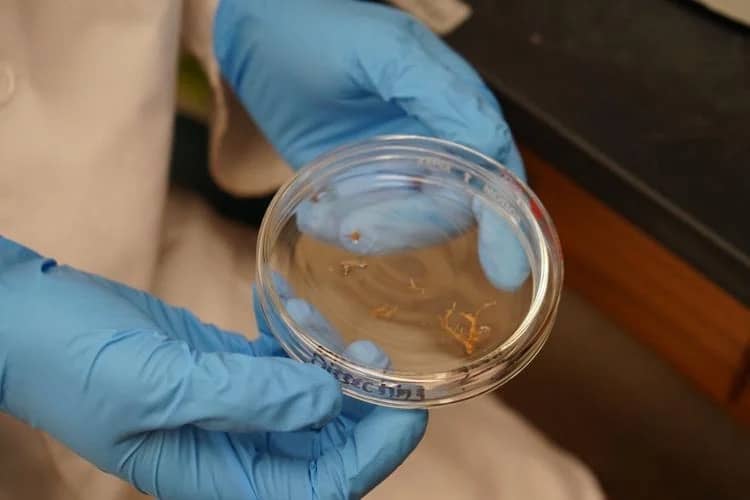
Petri dish with calamansi root
MICROSCOPIC: A petri dish holds plant roots to be inspected under a microscope for plant-parasitic nematodes, which feed on roots, interfering with normal root development and reducing a plant’s ability to absorb water and essential nutrients. Photo courtesy of the University of Guam
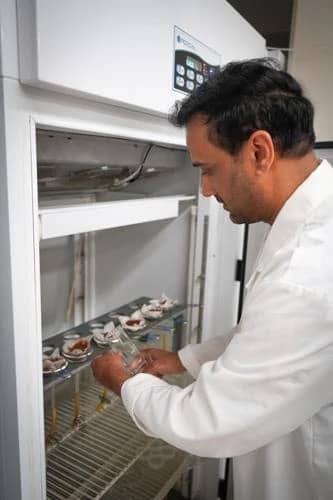
 Richard Singh collects liquid from local soil samples
SAMPLING: University of Guam nematologist Richard Singh collects liquid from local soil samples to inspect it for nematodes and identify what types. Photo courtesy of UOG
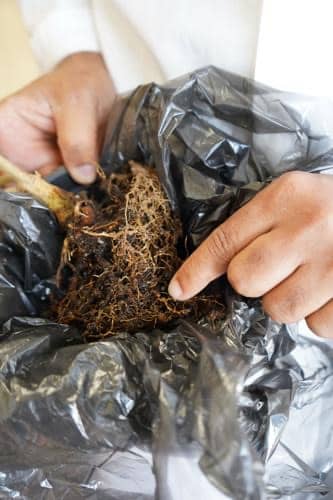
 Richard Singh points to roots on a tomato plant
ROOT ROT: University of Guam nematologist Richard Singh points to roots on a tomato plant affected by microscopic roundworms called nematodes. Photo courtesy of UOG
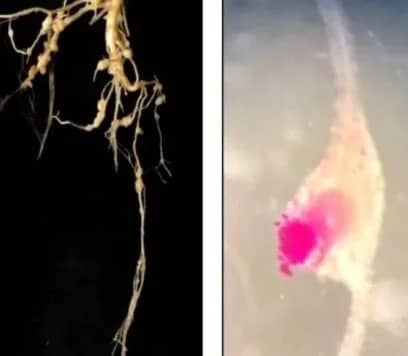
A microscope view of galls, or knots
INFESTATION: A microscope view of galls, or knots, on a plant’s roots caused by root-knot nematodes. As nematode infestations become more severe, affected plants may exhibit stunted growth, yellowing or wilting leaves, and reduced productivity. Photo courtesy of the University of Guam
Photo of the author Richard R. Singh
Author: Richard R. Singh
❮
❯


A calamansi tree in your backyard may appear healthy one season, only to begin showing signs of trouble the next. Its leaves turn yellow, growth slows, and fruit production declines. Even with regular watering and care, the tree may struggle to recover. While these symptoms are often associated with nutrient deficiencies, diseases, or unfavorable growing conditions, the problem may originate from something far less noticeable: microscopic organisms living beneath the soil.

Read the full story at The Guam Daily Post