
UOG Horizons: Knowledge for Life - Plant disease, decline post-typhoon
UOG Horizons: Knowledge for Life - Plant disease, decline post-typhoon
UOG Horizons: Knowledge for Life - Plant disease, decline post-typhoon
4/29/2026
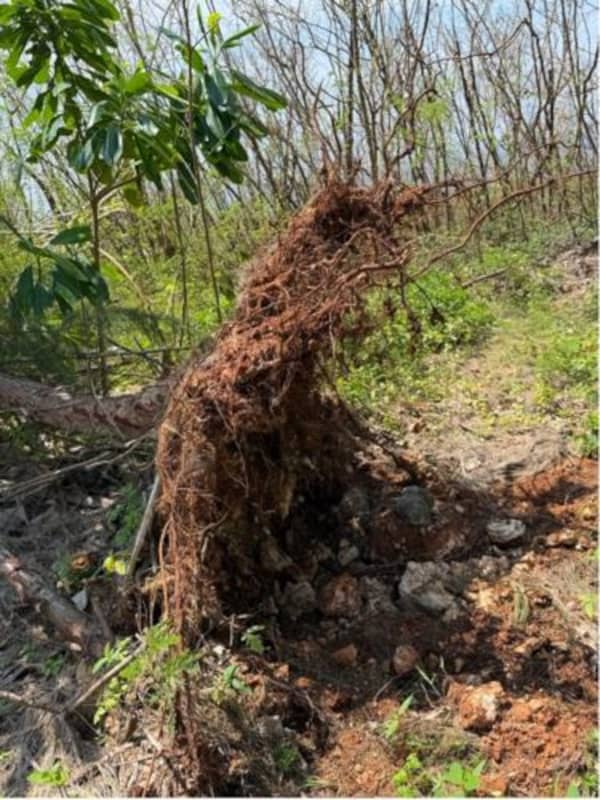
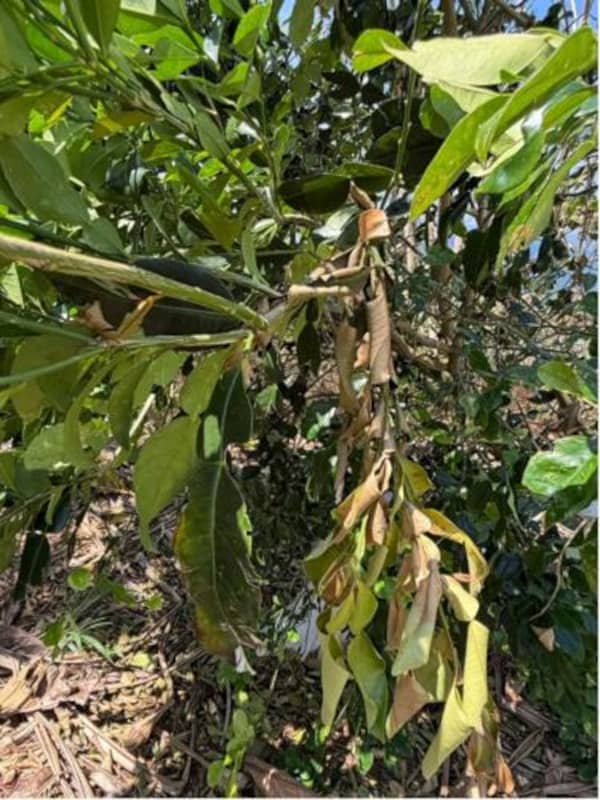
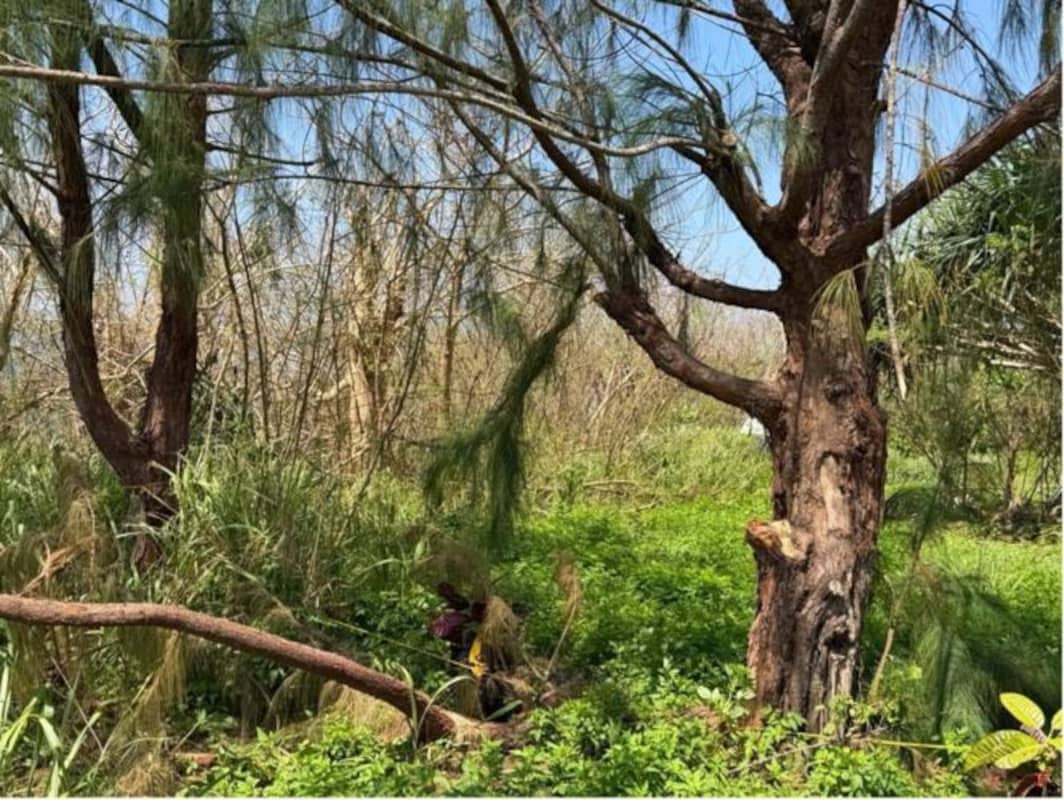

As we’ve recently seen with Typhoon Sinlaku, storms take a major toll on all types of plants - from agricultural crops to the trees in our yards. Beyond the immediate physical destruction, these storms quietly set the stage for plant diseases to develop and spread. Understanding these post-storm risks and acting quickly can help you reduce long-term losses and bring your plants and trees back to life sooner.
In the first few days after a storm, the damage is easy to spot. Broken limbs, uprooted trees and folded-over plants are common sights. At this stage, what you see is only part of the story.
Read the full story in The Guam Daily Post