
Brown Treesnake Workshop: Building community capacity for invasive species management
Brown Treesnake Workshop: Building community capacity for invasive species management
Brown Treesnake Workshop: Building community capacity for invasive species management
6/23/2026
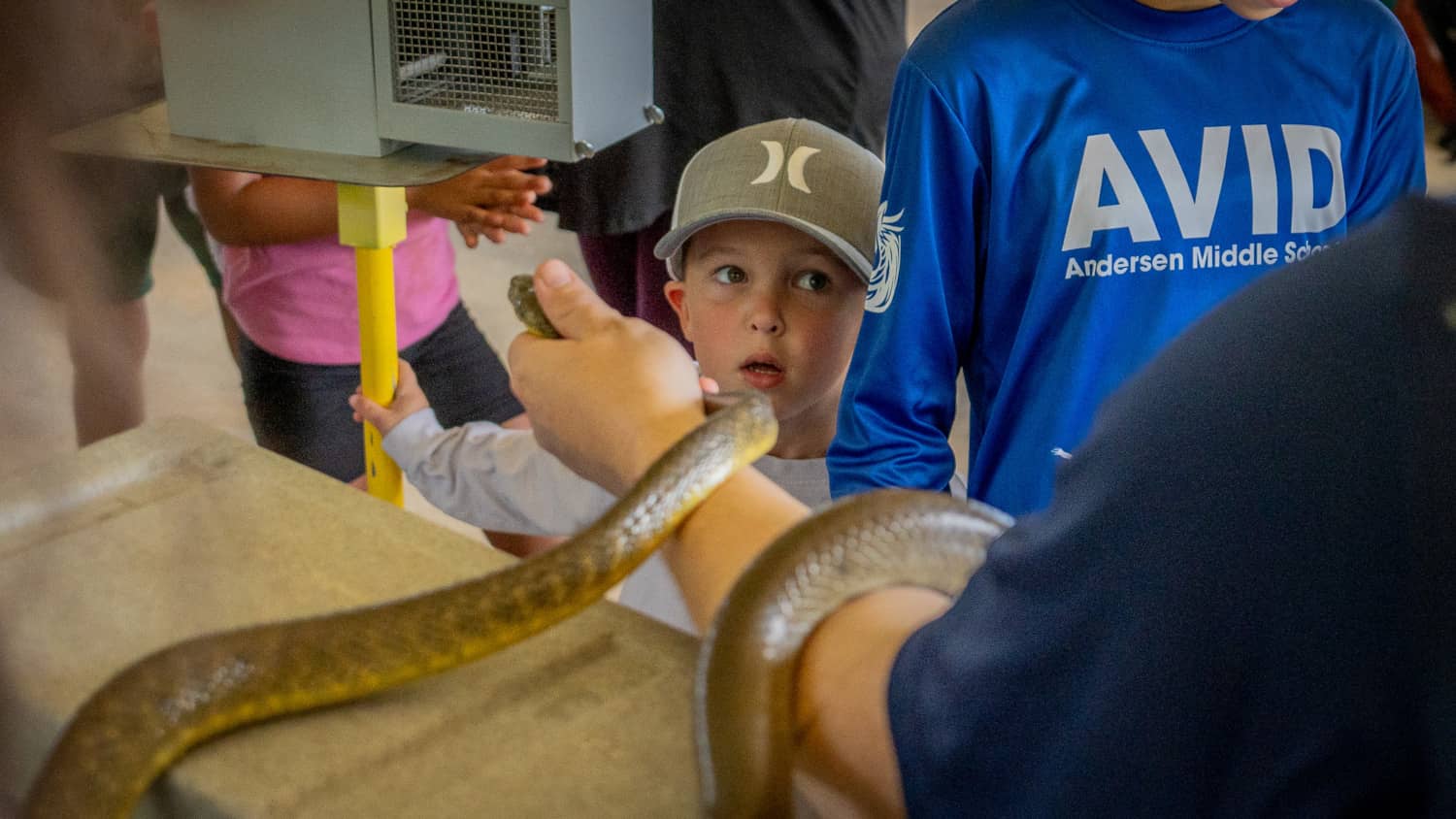
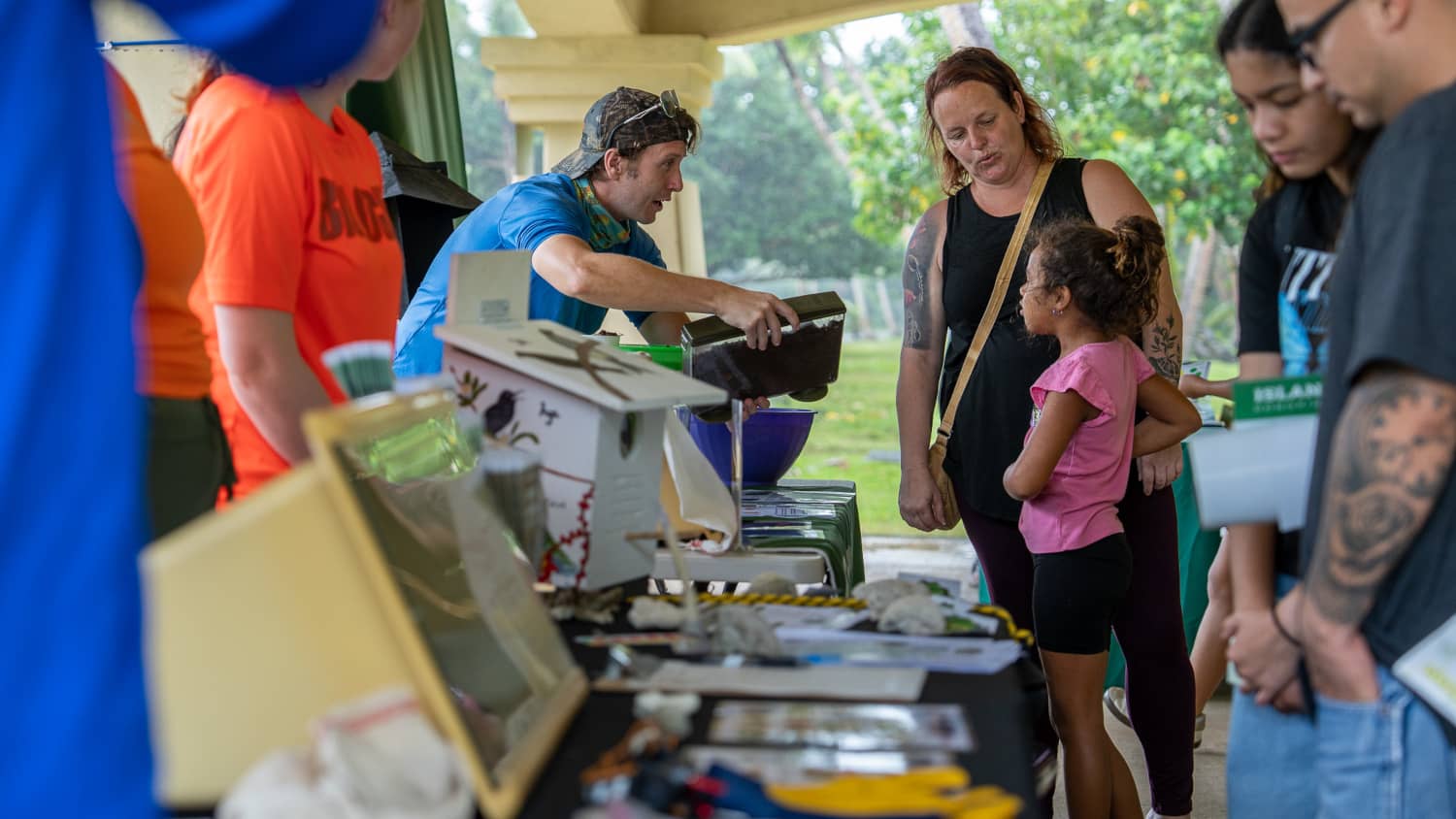

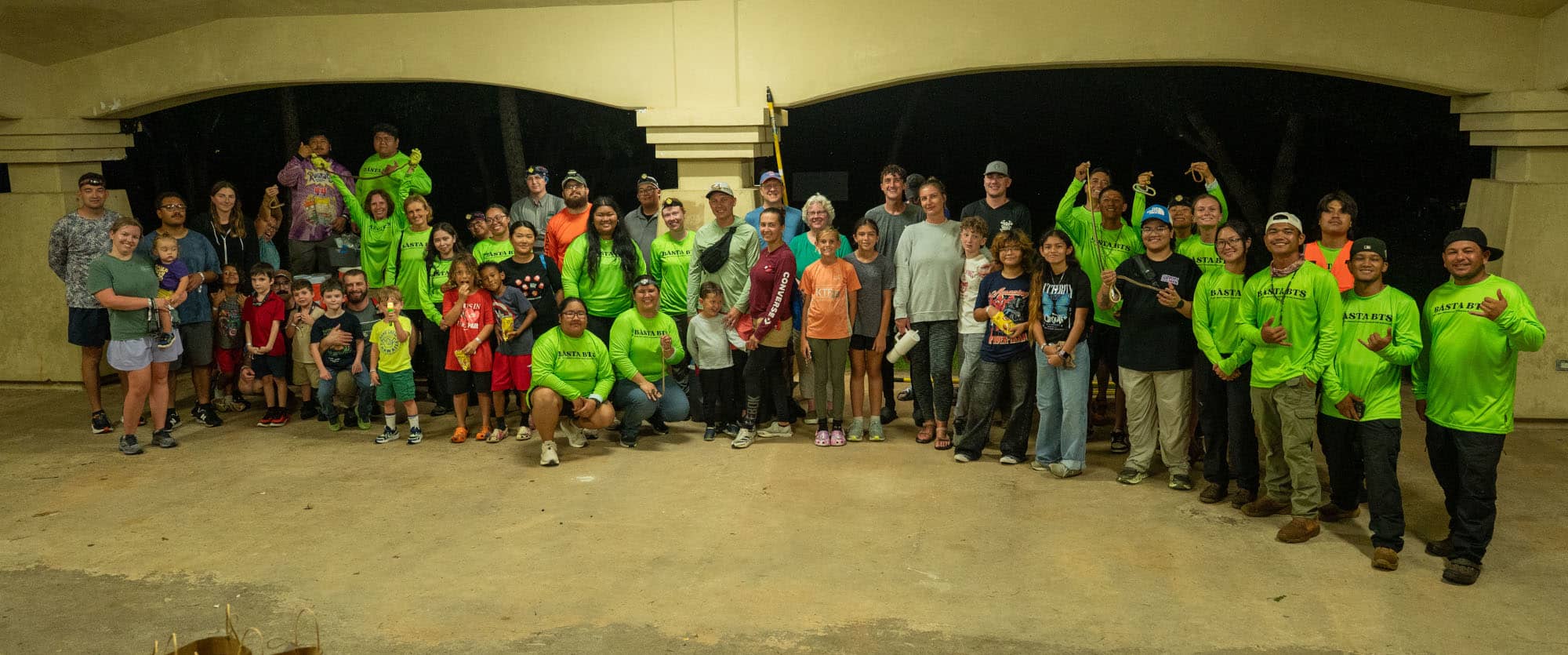
Education slithered into the conversation as the UOG Center for Island Sustainability & Sea Grant (UOG CIS & Sea Grant) Island Conservation Lab (ICL) and Joint Region Marianas held their second Brown Treesnake Control Workshop and SnakeHunt at Tarague Beach.
The all-ages event was organized to teach community members about the adverse impacts the invasive snake has on Guam’s ecosystem. Lessons also included how to identify, safely handle, and humanely dispatch the invasive reptile.
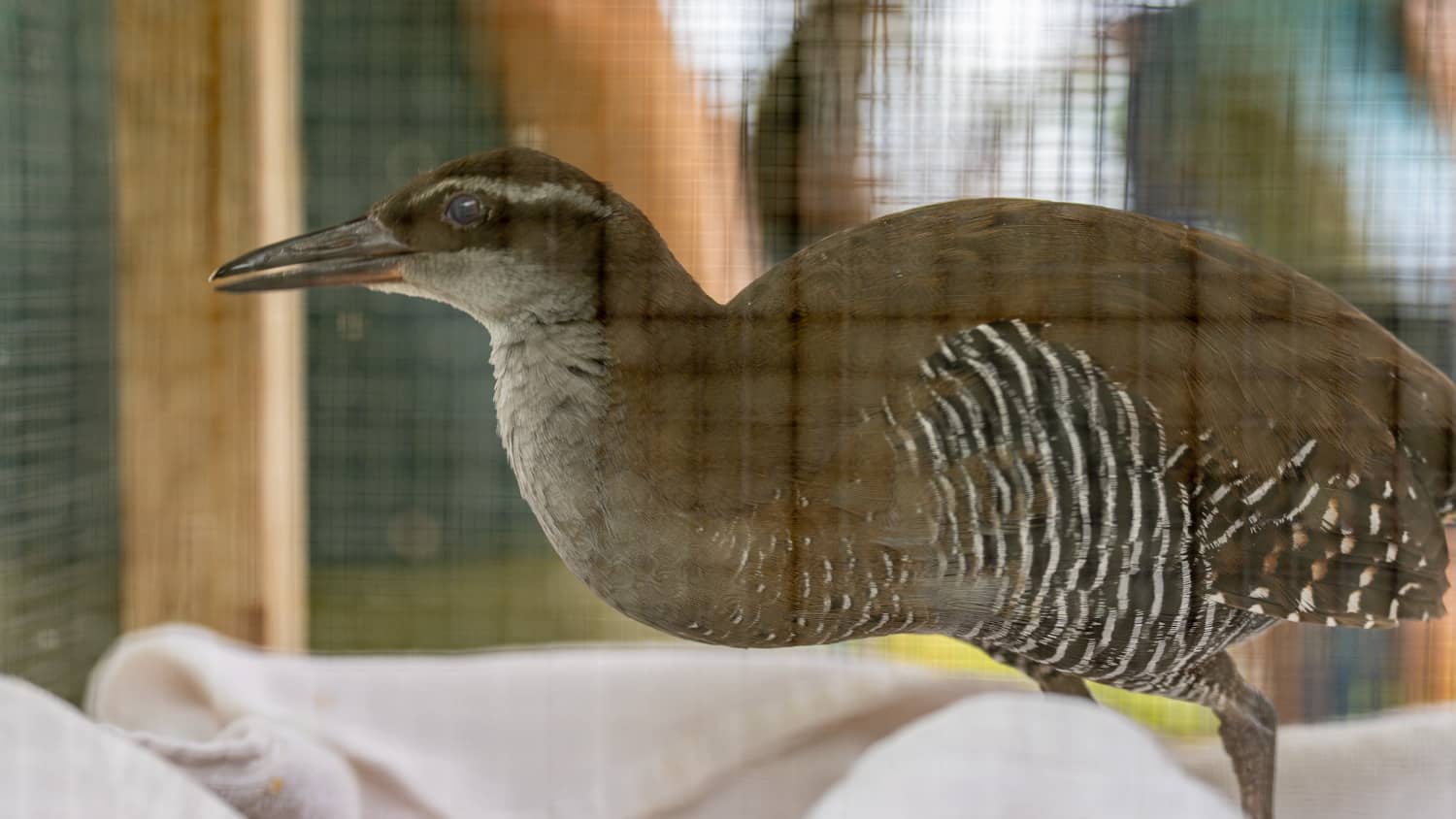
Attendees crowded outreach tables setup by sustainability partners including the National Park Service and the U.S. Department of Agriculture-Wildlife Services (USDA-WS) to see the snake up-close and learn about native species that they are collectively trying to protect.
Caley Jay Chargualaf, an event organizer with ICL, emphasized, “When you look at the broader picture, you can see the connections in our ecosystem, from the birds and pollinators to the forests and native plant species they support. That’s what we want to share here at this event—that there’s a significant cause and effect between invasive species’ presence and native species’ absence.”
Despite inclement weather, the two-part event saw 60 attendees with dozens of guests
putting their new-found skills to use in the snake hunt held later that night.
Allison Kelley, a biologist with the U.S. Geological Survey (USGS) working on the Asan Beach
Park Restoration Project, helped lead the evening snakehunt. Kelly noted that a component of
successful invasive species control relies on strong community support and participation.
The brown treesnake (Boiga irregularis) has caused the reduction in local avian populations since its accidental introduction
to Guam shortly after World War II.
Another event partner, supervisory biologist Charlene Hopkins from USDA-WS added,
“The more people that understand these invasive threats, the better chance we have
of mitigating them in Guam and preventing them from spreading to other Pacific islands.”
Community members interested in supporting brown treesnake control can volunteer with the Friends of Islan Dåno’ by emailing olympia.uog@gmail.com or the Asan Beach Park Restoration Project at WAPA_RestoreAsanRidge@nps.gov.
This workshop was funded by the Department of Defense on behalf of Joint Region Marianas, Guam and
the Naval Facilities Engineering Systems Command Marianas.
For more information, visit uog.edu/cis and follow @uogcis and @uogcis.islandconservationlab
on social media